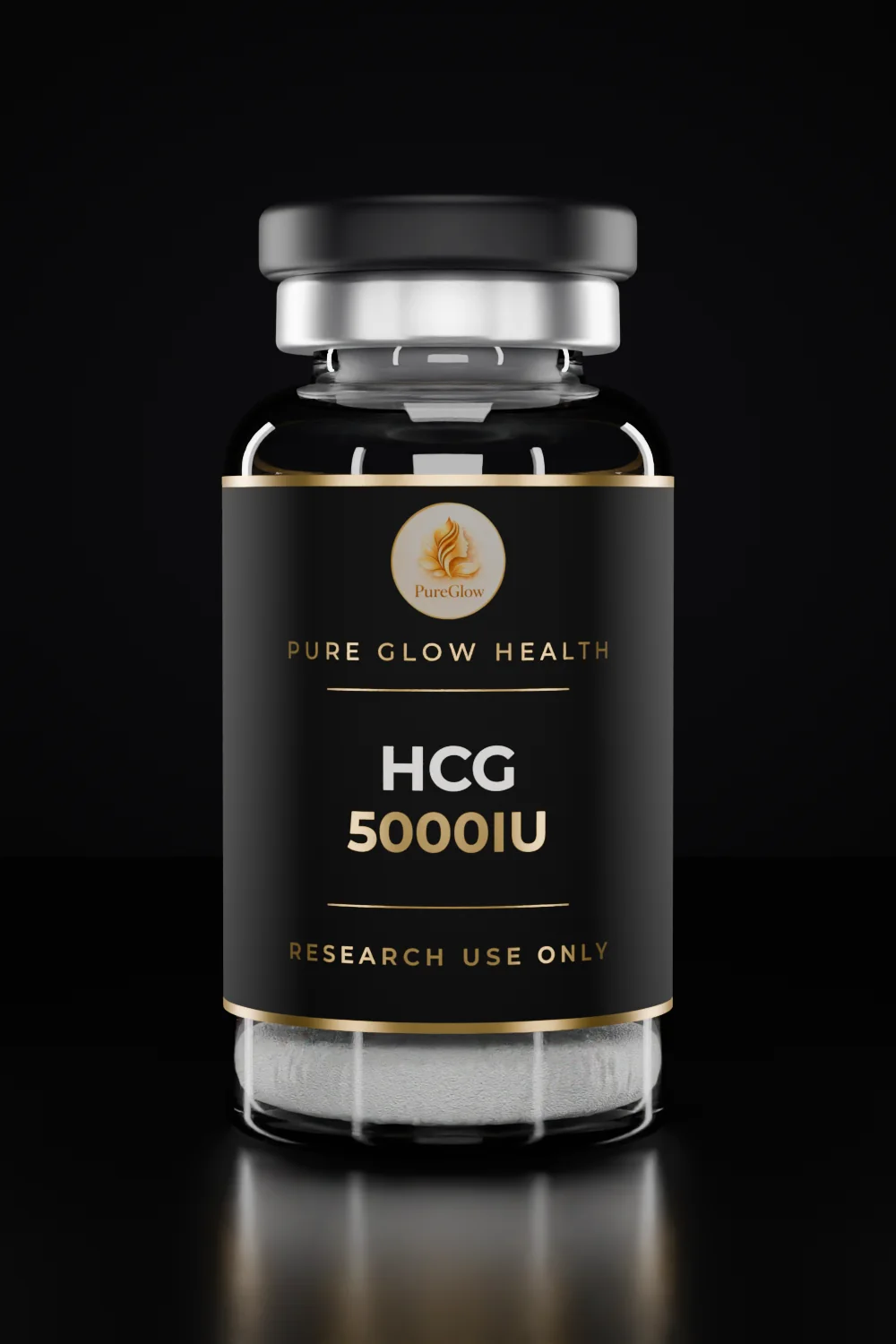
HCG (Human Chorionic Gonadotropin) 5000 IU is a glycoprotein hormone supplied for laboratory research only. It is studied in research on hormone regulation, reproductive biology and endocrine function.
Key Research Applications
HCG mimics luteinizing hormone (LH) and is studied for its effects on Leydig cell steroidogenesis and spermatogenesis in male models.
Metabolic Research
In metabolic research, HCG is examined for its effects on lipolysis, appetite signalling and energy metabolism via hypothalamic pathways in laboratory models.
Regulatory Notes for Research
HCG is a prescription-only substance in Australia. This 5000 IU vial is sold for research use only. Researchers should observe applicable regulations, anti-doping rules and ethical guidelines.
For laboratory and research purposes only. Not for human consumption, medical use, or veterinary use.